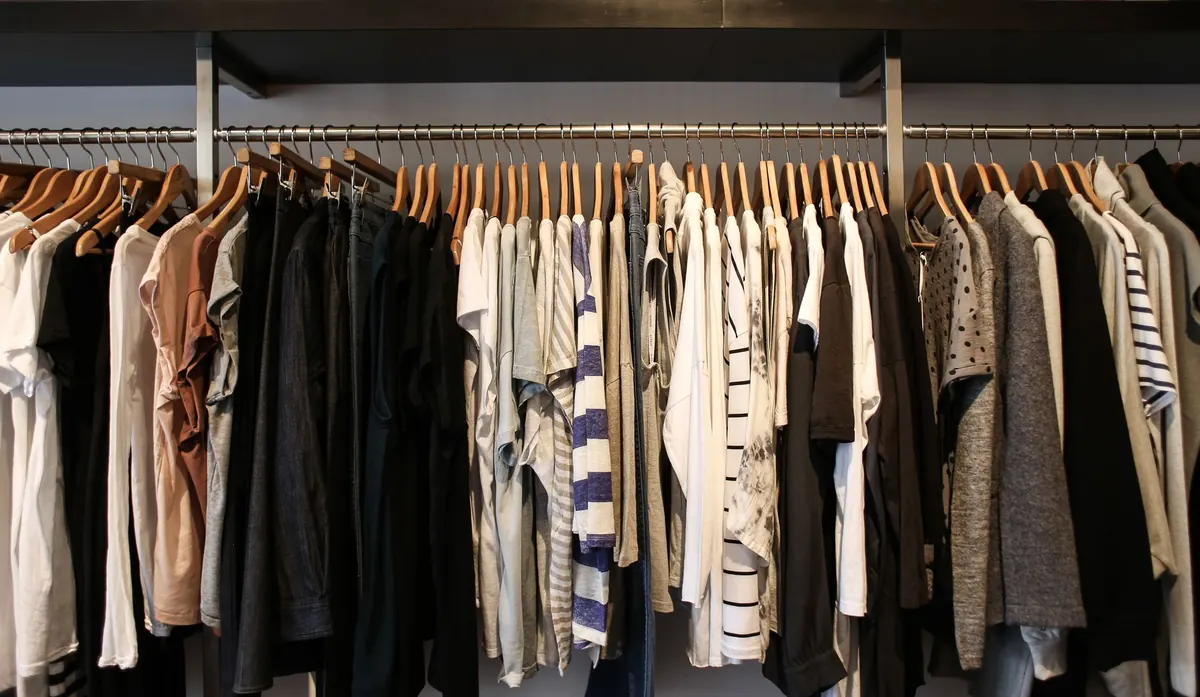
Beginner's Guide to Buying Your First Linen Shirt
Buying your first linen shirt can feel like a test. The fabric looks effortless in photos, then arrives stiff, boxy or creased in places you didn't expect. The good news is that linen is simpler than it seems. Once you know what weight to look for, how the fit should sit, and how to wash it without fuss, you can choose a shirt you'll actually wear. This guide walks through the decisions that matter most.
Start with the fabric, not the label
Linen comes from the flax plant. It is breathable, moisture-wicking and gets softer with wear and washing. That last part is why a shirt can feel rough on day one and lovely by week six. If a shirt feels like cardboard in the shop, it may still soften, but don't gamble on a very stiff fabric if you want to wear it soon. Look for terms like washed, softened or garment-dyed. These mean the fabric has had a head start. Also check the weave: a looser weave feels cooler, while a tighter weave looks neater but can feel warmer.
Weight: the quiet decider
You'll see linen described by weight, often in grams per square metre (gsm). A summer shirt might sit around 120–140 gsm. A year-round shirt is often nearer 150–180 gsm. Thicker styles, like camp-collar shirts or overshirts, go above that.
Lightweight linen is cool and breezy, but it creases quickly and can be a little sheer in bright colours. Midweight linen is the safest first buy: it holds its shape, drapes well and works from spring to early autumn. Heavier linen feels more substantial, resists wrinkles a bit better, and suits relaxed collars or layering. If you want one shirt to do most things, choose midweight.
Fit: leave room for the fabric to move
Linen doesn't stretch like a knit, but it does relax with body heat. A shirt that feels slightly snug in the fitting room can end up pulling across the chest by lunchtime. At the same time, a shirt that's too big can look like you borrowed it. The answer is to check the shoulders, chest and length first.
A quick fit check
- Shoulder seam sits at the edge of your shoulder, not halfway down your arm.
- You can slide two fingers under the collar without choking.
- Button the chest and slip a hand inside. It should feel easy, not tight.
- The sleeve ends at your wrist bone, so it won't swallow your hands.
- The hem covers your waistband but doesn't hang past your zip.
- Sit down and reach forward. If the back pulls or the buttons gape, size up.
Most brands offer classic, relaxed and slim fits. Classic is a good middle ground. Relaxed is roomier through the body and armholes, which suits hot weather and layering. Slim is cut closer, but linen is not the best fabric for a very tight fit because it shows every strain. If you're between sizes, buy for your shoulders and chest. A tailor can take in the sides, but adding width is much harder.
Colour and pattern: start with what you'll wear
Your first linen shirt should work with clothes you already own. Neutral shades are the easiest place to start. White, natural, oatmeal, stone and light blue cover most outfits. Navy and olive are good if you want something darker that hides creases and feels less summery.
Think about how the colour handles linen's natural texture. Very pale colours can show sweat and stains, while very dark colours show lint and dust. Mid-tones like light blue, sand or faded olive are forgiving. A subtle stripe or check adds interest without shouting. If you wear jeans most days, light blue or navy will earn its keep. If you wear chinos or linen trousers, natural or white is a strong choice. One shirt in natural or light blue is a sensible starting point.
Care: less fuss than you think
Linen has a reputation for being high-maintenance. In practice, it asks for a cool wash and a bit of attention when drying. Hot water and a hot tumble dryer are the two things most likely to shrink it or wear it out. Treat it gently and it will last for years.
A simple wash routine
- Turn the shirt inside out and button the top button to keep the collar in shape.
- Wash on a cool, gentle cycle at 30°C with a mild detergent.
- Use half the usual amount of detergent. Skip fabric softener, which coats the fibres.
- Shake the shirt out and line dry it in the shade. Sun can fade colours over time.
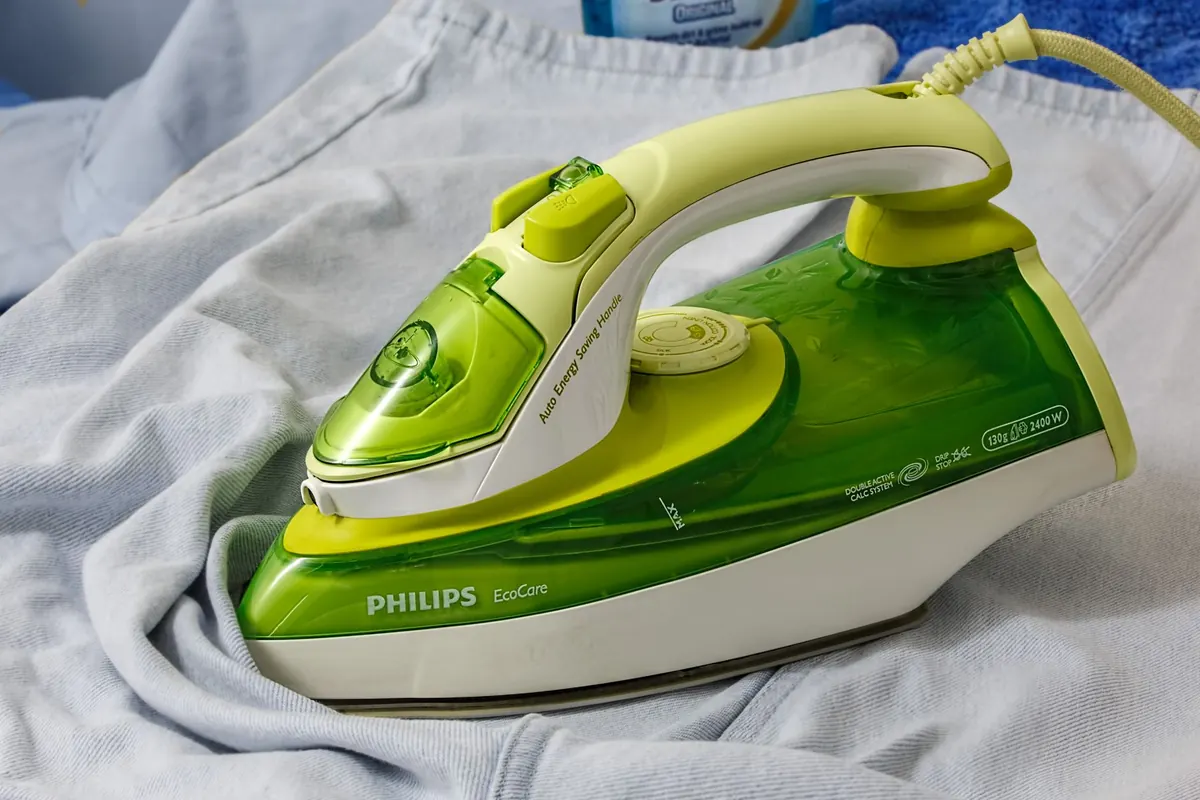
- If you want a neater finish, iron while slightly damp on a medium-hot setting with steam. If you prefer the relaxed look, fold it straight from the line.
Linen softens with every wash, so don't judge it on the first wear. A little shrinkage can happen, especially with non-washed linen, which is another reason to avoid a tight fit. If you spill something, treat it sooner rather than later. For anything stubborn or valuable, a professional cleaner is the safest route.
Before you buy: a five-point check
- The weight suits where you'll wear it most. Midweight for year-round, lightweight for heat.
- The shoulders and chest fit now. Don't buy for a future size.
- The colour works with at least three things in your wardrobe.
- The care label allows a cool wash and no bleach.
- You like the collar and cuffs, because they frame your face and hands.
If you can, try the shirt on in person. If you're buying online, compare the brand's measurements with a shirt you already like, and check the returns policy before you order. Your first linen shirt doesn't have to be perfect. It needs to be comfortable enough to wear often. Start with a midweight cut in natural or light blue, wash it cool, hang it to dry, and let the fabric do the rest.
Photo: Rachel Claire / Pexels

You Might Also Like
Practical ways to use linen bedding and pyjamas, plus a ventilation routine, to sleep comfortably through a British heatwave.
A practical guide to storing towels, bath mats and laundry in a compact UK bathroom — keeping everything dry, tidy and easy to reach without a bigger room.